When you walk past a park bench, you’re likely to see someone scrolling a phone, not a newspaper. In the UK, mobile gaming accounts for more than 60 % of total time spent on entertainment apps, according to a 2023 Digital Trends report. That means the average Brit spends roughly 90 minutes a day on mobile games, up from 45 minutes in 2017. The result? Traditional TV ratings have slipped by 12 % in the same period, while mobile app downloads hit a record 1.2 billion in 2024.
Step 2: Understand the Technology That Makes It Possible
Three key tech trends are driving this rise:
- 5G rollout – With speeds averaging 150 Mbps, lag in real‑time multiplayer games has dropped from 200 ms to under 30 ms.
- Cloud gaming services – PlayStation Now and Xbox Cloud Gaming now support 4K streaming at 60 fps on standard 4G connections.
- AI‑powered personalization – Recommendation engines can suggest the next game within 3 seconds of a user opening the app, increasing session length by 25 %.
These technologies have turned a simple phone into a portable console, blurring the line between casual and competitive play.
Step 3: See the Economic Ripple Across the UK
The mobile gaming sector contributed £4.1 billion to the UK economy in 2023, a 14 % rise from the previous year. Small studios in Bristol and Manchester now employ 1,200 people, up from 900 in 2019. Advertising revenue on mobile game ads hit £600 million, double the 2021 figure. Meanwhile, the average revenue per user (ARPU) for UK players reached £12.50, compared with £8.30 in 2019.
Step 4: Notice the Cultural Impact on Social Interaction
Games like Among Us and Pokemon Go have become social catalysts. In 2024, 35 % of respondents in a UK survey said they met a friend or colleague through a mobile game. The same survey reported that 22 % of participants felt more connected to their community after playing a location‑based game during a local festival.
Step 5: Identify the New Challenges Facing Regulators and Players
One real limitation is data privacy. In 2023, 18 % of UK players reported receiving unsolicited marketing messages after installing a free game. The UK Gambling Commission has warned that some mobile games blur the line between entertainment and gambling, especially those using loot boxes with real‑money purchases. Players over 18 who spend more than £200 per month on in‑app purchases may be flagged for further review.
Step 6: Explore the Future Landscape
Looking ahead, developers are testing augmented reality (AR) overlays that could let you play chess with a friend across town. Early pilots in London’s Hyde Park show a 40 % increase in user retention when AR features are enabled. Meanwhile, subscription models for premium game passes are expected to grow, with projected revenue reaching £1.5 billion by 2026.
Step 7: Bridge to the Broader Entertainment Ecosystem
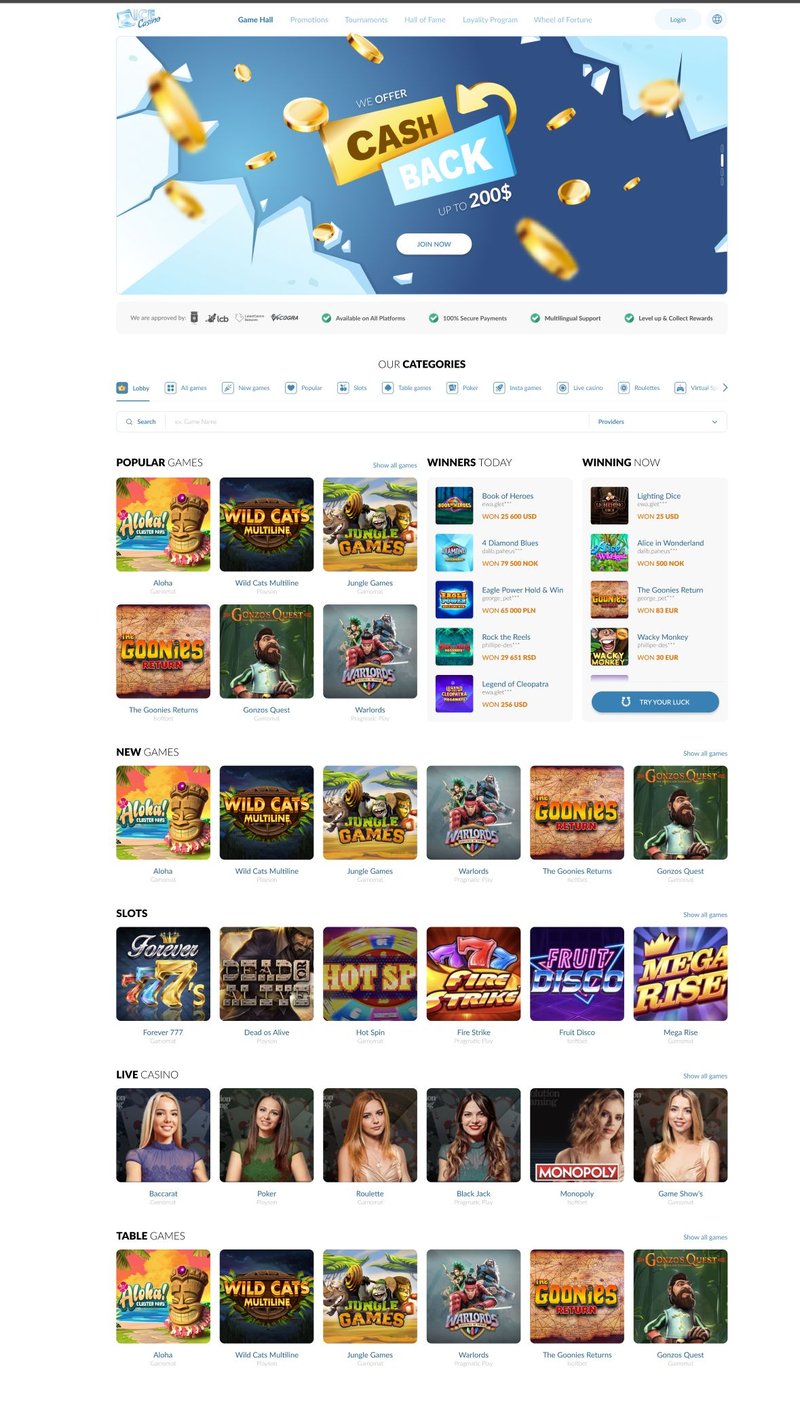
As mobile gaming continues to weave into everyday life, it’s becoming a gateway to other online entertainment options. Many users who start with casual titles eventually try out interactive storytelling platforms or digital ticketing for live events. Freshbet lets you seamlessly transition from mobile gaming to a broader online casino experience, all from the comfort of your phone.
Conclusion: Embrace the Change, but Stay Informed
Mobile gaming has shifted the UK’s entertainment landscape from passive consumption to active participation. The data shows clear growth in time spent, economic contribution, and social connectivity. Yet, players should remain vigilant about privacy settings and spending habits. By understanding the numbers and the technology behind the trend, you can enjoy the benefits while navigating the challenges wisely.
Frequently Asked Questions
How has mobile gaming time changed in the UK?
It doubled from 45 minutes in 2017 to 90 minutes in 2023, making up over 60% of entertainment app use.
What impact has this shift had on TV ratings?
Traditional TV ratings fell by 12% during the same period as mobile gaming surged.